Quiet Please

Kobe Bryant can make free throws at the end of a basketball game with 15,000 fans screaming and waving stuff behind the basket, but Matt Kuchar can’t putt unless he’s in the freakin’ library? …… Hey, the ball doesn’t move. The hole doesn’t move. Step up and play, pal.

Norman Chad

Couch Slouch Column

July 2011

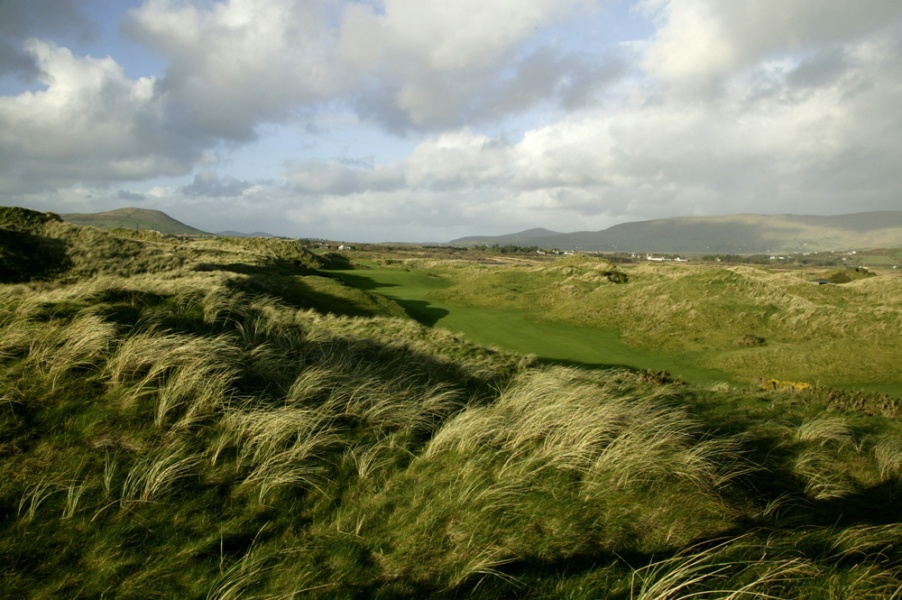
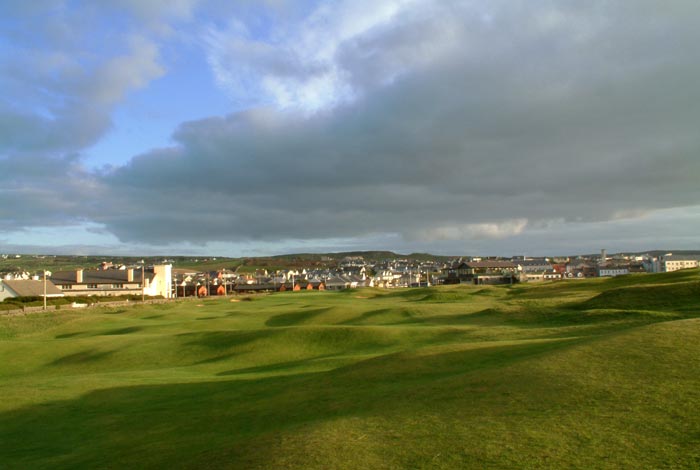
Irish Eyes For You

A Visual Embrace of the Claret Jug

Embed from Getty Images

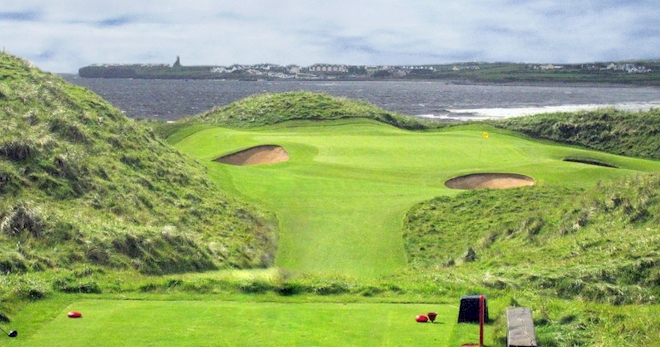
Darren Clarke’s masterful ball striking helped him close with a proficient even par 70 in very blustery conditions at Royal St. Georges on Sunday to win the Open Championship and reiterate the dominance of Northern Ireland in golf’s majors.  The mouse has roared again, this is the third Ulsterman to win a major in the last 13 months which means that stocks of Guiness will be tapped as celebration will continue for weeks across the northern part of the Emerald Isle.  The “Chubby Slam” for 2011 is still in tact as Clarke’s win along with McIlroy at the U.S. Open and Schwartzel at The Masters make it three in a row for the outgoing Chubby Chandler who represents all three.  There will be a whole lot of Englishman pulling for Lee Westwood to finish that job at the PGA next month.

The windy conditions were similar to Saturday-only six players broke par in the final round.  Darren’s formula was great ball striking, more than adequate putting, and a cerebral mastery of the tactics of links golf over the four days.  Clarke hit an average of 13 of 18 greens over the tournament-3 better than the field and had just under 30 putts a round-striking the ball beautifully in a two to three flap wind the last two days.  His putting at 29.75 per round was better than average but he made all the 5 to 10 footers that mattered on Sunday and just did not give his close pursuers much hope at all.  Most important, he avoided the high score all week-only one double bogey over the 72 holes-he was just masterful at managing his mistakes in course conditions that had blow up holes lurking around every corner.

Phil Mickelson applied the pressure early with a scintillating 6 under over the first 10 holes.  But Clarke had an answer for every surge and really made a statement when he rolled in an eagle putt on the 7th hole to answer Mickelson’s eagle earlier on the same hole.  Dustin Johnson was playing with Clarke and he too mounted a charge on the middle holes but a wayward long iron into the course next door on the par 5 14th  slammed the door on his chances and it was a dexterous cake walk the rest of the way home for the Irishman.

Much has been documented about Darren Clarke’s personal and golf tribulations over the last decade, so this first major for him is a very sweet moment indeed.  For those who think this comes from left field don’t forget that he has 14 European Tour wins and two World Golf Championships under his belt, including beating Tiger Woods in the Accenture Match Play final back in 2000.  This is a passionate guy who enjoys his golf and you could see the special delight in his face over the final four holes of the championship when victory was within reach.

They may be bottling fresh spring Portrush water for international sale shortly-it is clear that Ponce De Leon turned his ship the wrong way when he was looking for the fountain of youth, it is just off the northern most coast of Northern Ireland.

July, 2011

Singin’ In The Rain

Reaching For The Claret Jug- Day Three

Darren, Dustin, and Rickie……..sounds like the three leads in a 50’s rockabilly band.  Actually two out of the three look the part.

Moving day was actually nudging day today, but these three were the only guys who shot in the 60’s when we had 20 to 30 guys breaking par on the first two days.  With these scores they jockeyed to the front of a tightly bunched leaderboard with 12 guys still within five shots of the lead.

When the players arrived at the golf course this morning the caddies knew they were in for a high maintenance Two-Gloves Gainey kind of day-umbrellas, rain gloves, winter mittens, rain suits, wool hats, the works were going to be in and out of the bags all day .  The temperature was 60’s and it was raining sideways with winds close to 30 miles an hour.  The early games took it on the chin from these conditions and, until Fowler managed to defy the weather of the same name and shoot 68, the 41 players before him had an average score of over 76.  Then the weather moderated considerably-at least the rain stopped-and then the singing began because the last 29 players after him shot an average score three and a half strokes better at just under 73.

But it was really the play of these three guys that stood out from the rest of the field.  Until Fowler posted a score in red numbers the best score of the day was the grisly Old Tom who had carded a two over 72 showing that he is still has it and is probably the best links player of the modern era.  Fowler’s round was instinctive creativity-he managed his trajectories like a wily old veteran-saving pars from everywhere and making three birdies in the last six holes when the rest of the field could not even tread water.  The patience he showed belied his age and he displayed a mastery of links shot strategy and execution that you would not expect from an American who probably has only played a couple of handful’s of competitive rounds in conditions like this.

Dustin Johnson showed once again that power and penetrating driving along with a good pitching game and a solid putter can be a huge advantage in managing a score in big winds.  John Daly showed that when he won the 1995 Open Championship in howling winds at  St. Andrews.  Through this day Johnson out drove Clarke by 20 yards and Rickie by 30 yards on average and took only 27 putts on route to his 68.

The 42-year-old Clarke was the most amazing story of all since he is playing strictly on guile and gumption-his ball striking was rock solid and his putting was mediocre.  He hit 16 greens on a day when the rest of the field could not hit the broad side of a barn but he took 34 putts on the way to a 69 that could have been a whole lot better.  What you could see is that pure ball striking in these kinds of conditions makes for low stress pars-he was one under over his last 10 holes.

The weather for tomorrow is calling for winds on the same level without the driving rain so you have to believe the formula for success will be the same as today.  The guys who hit it pure and control their trajectory will get a chance to putt for pars and birdies.  If it is anything like today those guys will be few and far between.

July, 2011

Bumper Pool

Reaching For The Claret Jug- Day Two

In what can only be described as an unseasonably nice day on the southeast coast of England, Royal St. Georges seemed primed for the taking by the field in the Open Championship on Day Two. Temperatures around 70, blue skies, and only a 2 flap wind (British commentator’s relative wind measurement based on the flapping of trouser legs). Given all that, we would have expected a number of people to go low and grab this championship by the collar. But that was not the case-best scores today were three guys at 67 and the leading score at the end of the day was one worse than Day One. There was no evidence of collar in hand.

I guess they did not count on the grounds crew at Royal St. Georges putting the pins in places that seemed to be surrounded by force fields. It was impossible for guys to manage the ball into the area of the cup and keep it there. Royal St. Georges has large greens but in many cases the actual part of the green where they can place the pin is only a third of the surface-the rest has such drastic slope it is unfit for putting. Links can demand ricochet golf especially when the green complexes are full of humps and hollows that redirect the ball once it is on the ground. What we saw to day is that it takes great experience and imagination to figure out where to bank it off the side cushions to get it towards the pocket.

So the result is old salty guys like Darren Clarke, Thomas Bjorn, Miguel Angel Jimenez, Anders Hansen, Davis Love, and Tom Lehman are occupying half of the top spots on the leaderboard. There are some strong young players in this group-Glover, Campbell, Johnson, Kaymer, Larrazabal, Coetzee, and Schwartzel-but at least four of those are guys who have played links golf most of their careers.

It is clear at this point that Royal St. Georges favors the guys who understand ricochet golf and have the imagination to do it and the patience to accept the arbitrariness of the result. Right intention and good execution will not always end up with a good results. The guys who don’t take this personally will be the ones who succeed when this is all said and done.

Speaking of old dogs and new tricks, we have to shout out to Old Tom who had a Barney Adam’s moment when he holed his 4-iron on the Par 3 sixth hole this morning. Watson’s 15th ace of his career was witnessed by thousands of spectators clinging to the dunes surrounding this hole and it sent them into a state of delirium. Unfortunately the resulting tumult caused Young Tom Lewis to pull hook his approach into the fur left of the green and make a double bogey that jarred him off the rails for the next eight holes.

(Click here to see video of Tom Watson’s hole-in-one from ViaSat Golf Live)

The weather forecast for the weekend is sketchy-no surprise in that-and this should continue to favor those with experience in the foibles of links golf. But with 31 guys within 4 shots of the lead picking a winner now is about as predictable as the roll out on the sixth green and we saw today how unexpected that result can be.

July, 2011


Bjorn Again?

Reaching For The Claret Jug- Day One

To any one who has played this silly game we know how fickle the Golf Gods can be in treating us from day to day.   So we can probably relate somewhat to the oddity that 40 year-old Thomas Bjorn must feel today tied for the lead in the Open Championship after day one.

The last time Bjorn was at Royal St. Georges he was leading the 2003 Open Championship by three shots with four holes to play on the final day only to see it all wiped out when it took him a fateful three swipes to extricate himself from the greenside bunker on the sixteenth hole.  The agony of watching his pitch hit the green and roll right back into the bunker at his feet multiple times was something few golf fans will ever forget.

The Dane was not even in this 2011 Open Championship until late Monday evening where, as the sixth alternate for the event, he got his opportunity to play when Vijay’s chiropractor told him to rest his sore back and stay out of the harsh climates of southern England this weekend.  With little or no “major preparation” Bjorn resigned himself to treat this Open Championship as “a bit of a joyride” and just see what happens.

What happened on Day One is that the Golf Gods embraced Bjorn and granted him this day a wonderful swing, straight driving, brilliant iron play, and a sizzling putter on the quirky links of Royal St. Georges.  Typical links golfing day on the eastern coast of England, charcoal grey skies, temperature around 50 degrees, winds a good 20 mph and gusting-players were wearing wooly hats, winter gloves, rain pants, and layers of gortex to deal with the elements.   Bjorn ignored all that and played unconsciously hitting 11/14 fairways where the average pro hit less than 7, 12 greens in regulation where the average was about 10, 25 putts where the average was close to 30, and he had 12 one-putt greens which clearly qualified him for being in the zone.  He made 7 birdies and 2 bogies on the way to 5 under and a piece of the first round lead in the Open Championship at a venue where his personal locker must be brimming with psychological demons.

Bjorn actually has a history of going low in individual rounds at majors-he shot 63 in the 2005 PGA at Baltusrol-and he does have six top ten finishes in majors over his career including three runner-ups.  His 11 European Tour wins-the most recent being the 2011 Qatar Masters in February-show that this man has a golf pedigree, but who would have thunk him coming back to this place that treated him so harshly and playing so well the next time in competition.

There is no telling how those unpredictable spirits will treat Thomas over the next three days but at least for the moment he can sense that the jug is within reach again-something I doubt even he had the audacity to consider when he got that call from the R & A on Monday night.   Today’s performance does show how mentally tough he is and how character and focus can sometimes trump adversity in this game.

July, 2011

Whistling Straits-Straits Course

Whistling Straits LogoThe Kohler/Whistling Straits resort is something to behold, it has first class accommodations, great food, wonderful service, and four, count em, four Pete Dye golf courses. But the thing that put this place on the map is The Straits course which has already hosted two PGA Championships, a U.S. Senior Open, and will be the host of another PGA in 2015 and the Ryder Cup in 2020.

There are two things that are startling about The Straits. First it is essentially a links style course in the middle of America and second, everything you see that makes this a links style course, except for the ocean sized Lake Michigan over your shoulder, was manufactured by man. The not so startling fact is that Pete Dye had the audacity to conceive and pull off the first two.

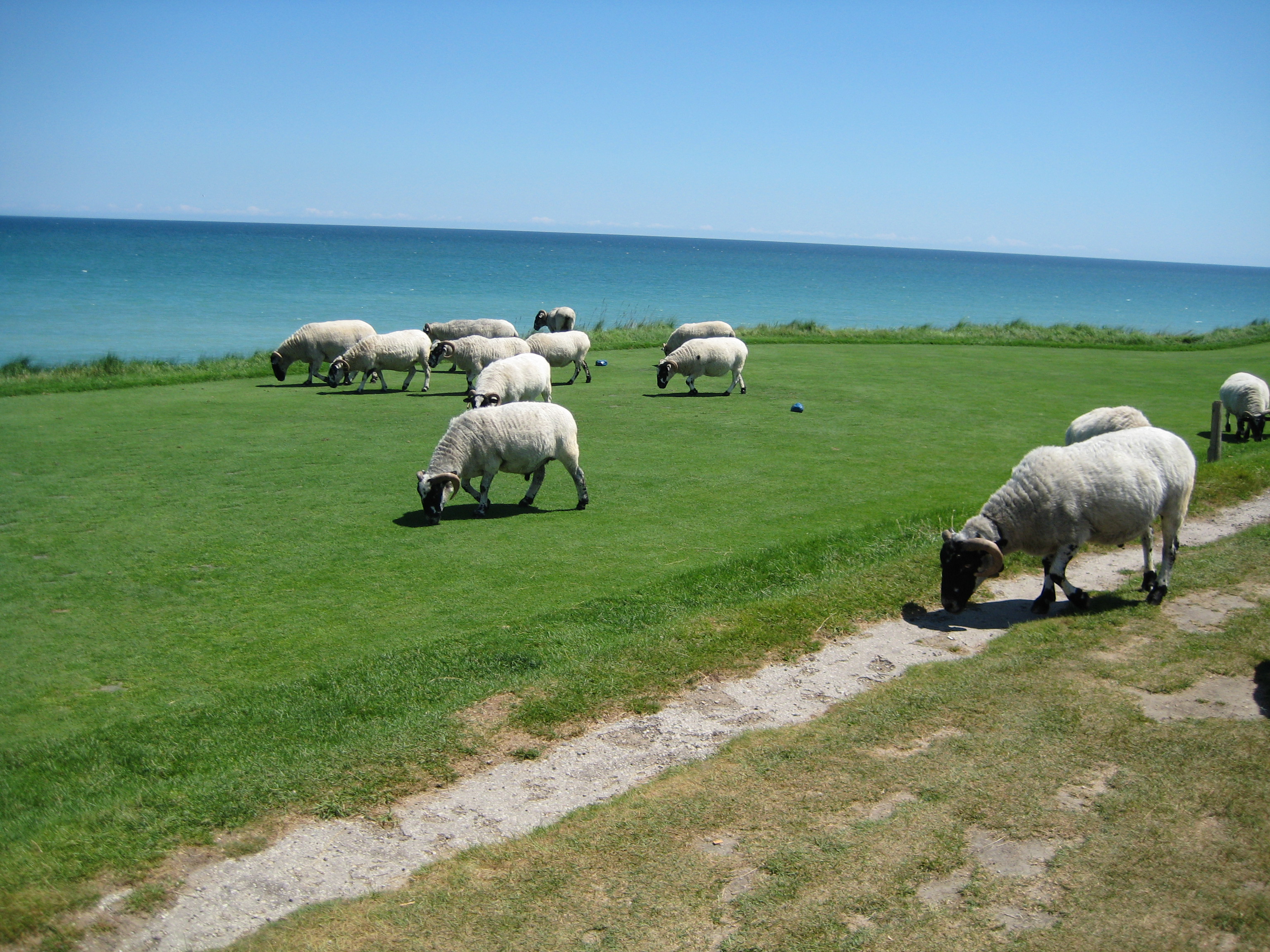
The fact that he was convinced he could create a links style layout from scratch with office building sized sand dunes, massive waste areas peppered with endless bunkers, and acres and acres of native links type grasses on what was essentially a pancake flat piece of lakeside ground, formerly an air force target range, is beyond audacious-it was almost egotistical. But Pete has never suffered for lack of self confidence and damned if he did not pull it off. He even has the signature sheep wandering the course to make it feel like you are playing an old links course in rural Ireland.

They may be cute but they will mooch your peanut butter crackers.

Besides the engineering feat of importing and placing about 8,000 truckloads of dirt from Indiana to sculpt the land, Pete had to conceive of a routing to expose as many of the holes as possible to the lake winds to create the real look and feel of links golf in Wisconsin. It is a figure eight routing with the front nine going south along the lake shore and then looping back upon itself to catch more shoreline on the way back in. The back side does the same thing going north along the shoreline and looping back for more shore on the way back to the clubhouse. This puts 8 of the 18 holes with direct interface to the lake and another six within eye view. The influence of the wind off the lake can be profound and since the holes go in both directions on both sides you rarely get but a couple of holes in a row with the same wind effect.

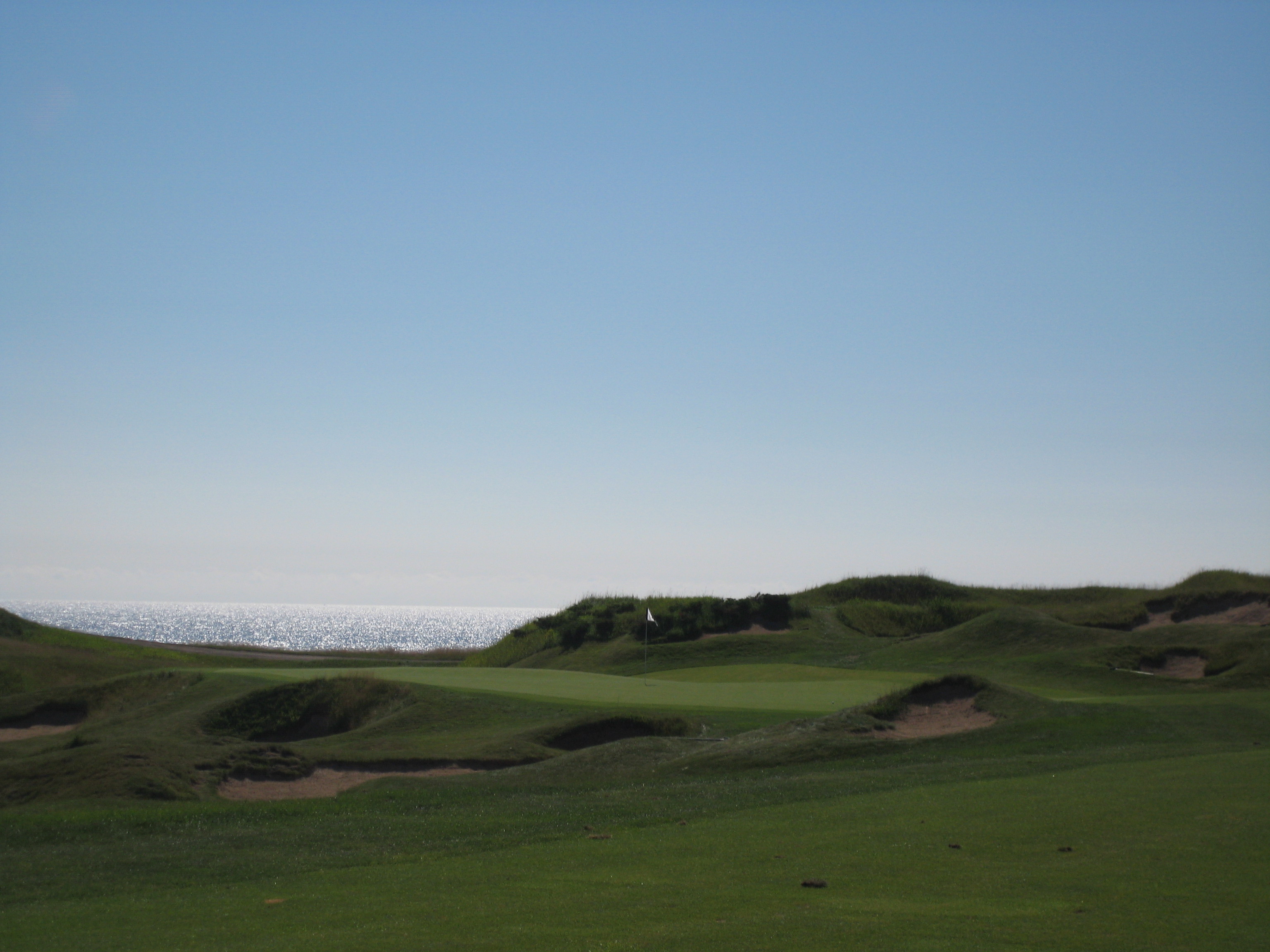
The quiet tranquility of Number 2 is beguiling.

Pete did his homework and integrated many of the important strategic links characteristics so that the course can be challenge no matter the wind direction and you have a chance to be successful as well. As with most links courses these greens are very long which allows the greens staff to place the pin on the front when the wind is in your face or in the back when the wind is helping-this will make it easier for you to use the green surface to manage your shot into the green. Most of the 500 bunkers are well out of the playing area but the positioning of ones in the driving areas, layup areas, and greensides are staggered so that there always seem to be tactical bunkers in play no matter the prevailing wind.

There is open access at the front of most greens to give you the bump and run option if a lower approach shot is in order. The only failing is the turf is not as firm as you expect on a links course so sometimes those bump and runs will bump and check. Most significantly, the towering dunes and massive waste areas adjacent to the fairways and greens create visual intimidation that make TPC Sawgrass look tame. This psychological collateral can be very significant if you let yourself get too fearful of playing the right shot.

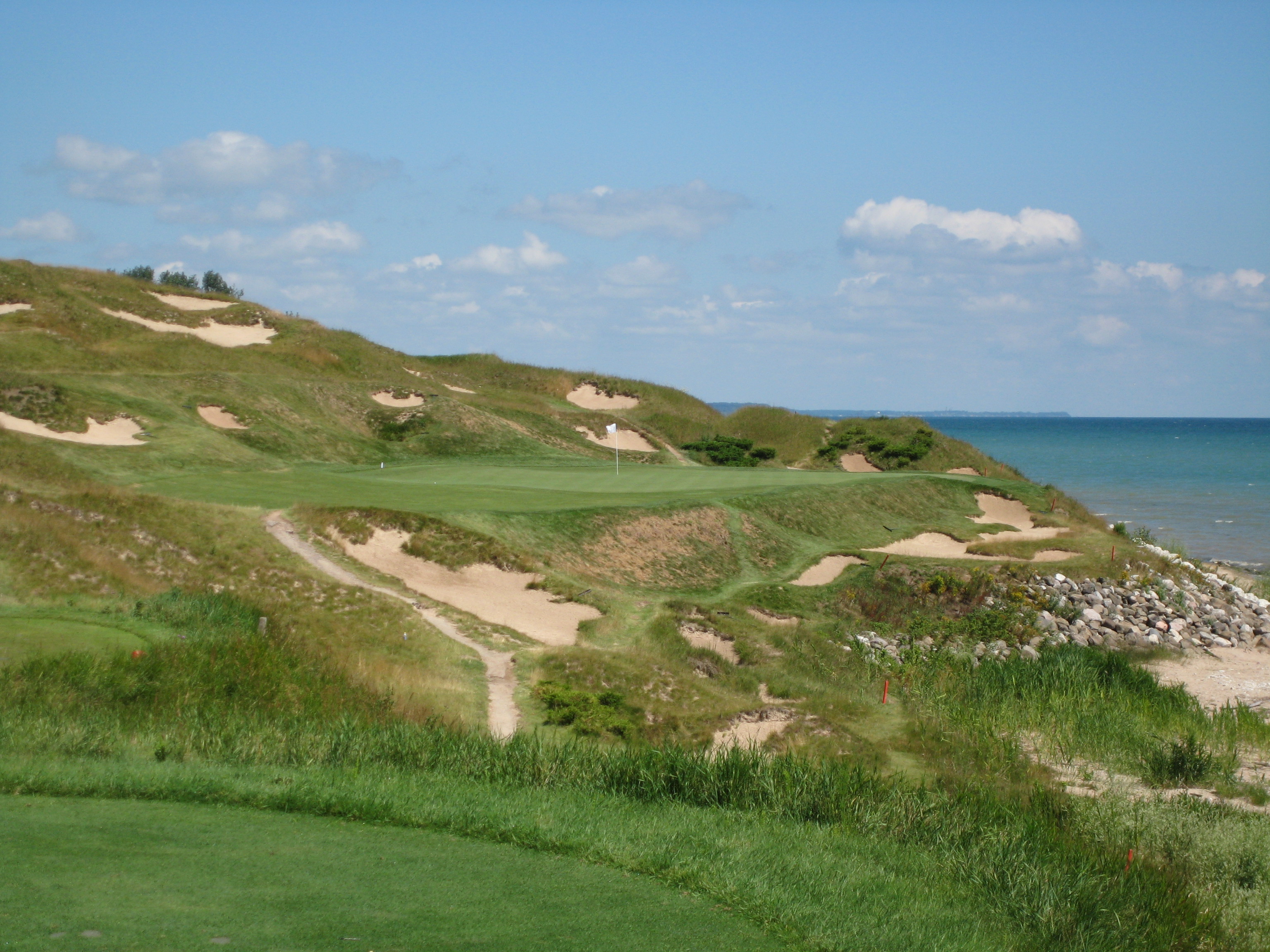
Seventh Hole Par 3 is pure intimidation.

The par threes on this course are all stunners-forced carries over huge waste areas to precipice greens with the backdrop of the lake behind. This lack of topological backdrop can make frame of reference of the shots hard to discern. The wind influence on the three pars is at it’s max because they are the most exposed holes on the course. There are a number of serpentine par fours where Pete used the large dunes to obscure your vision of the target-this is especially true if you hit your drive on the wrong line on the doglegs. The way he wends these holes through the dunes and sets the green complexes against massive backdrops and falloffs creates that links feeling of risk and reward on almost every shot. It takes some moxie to play this course successfully.

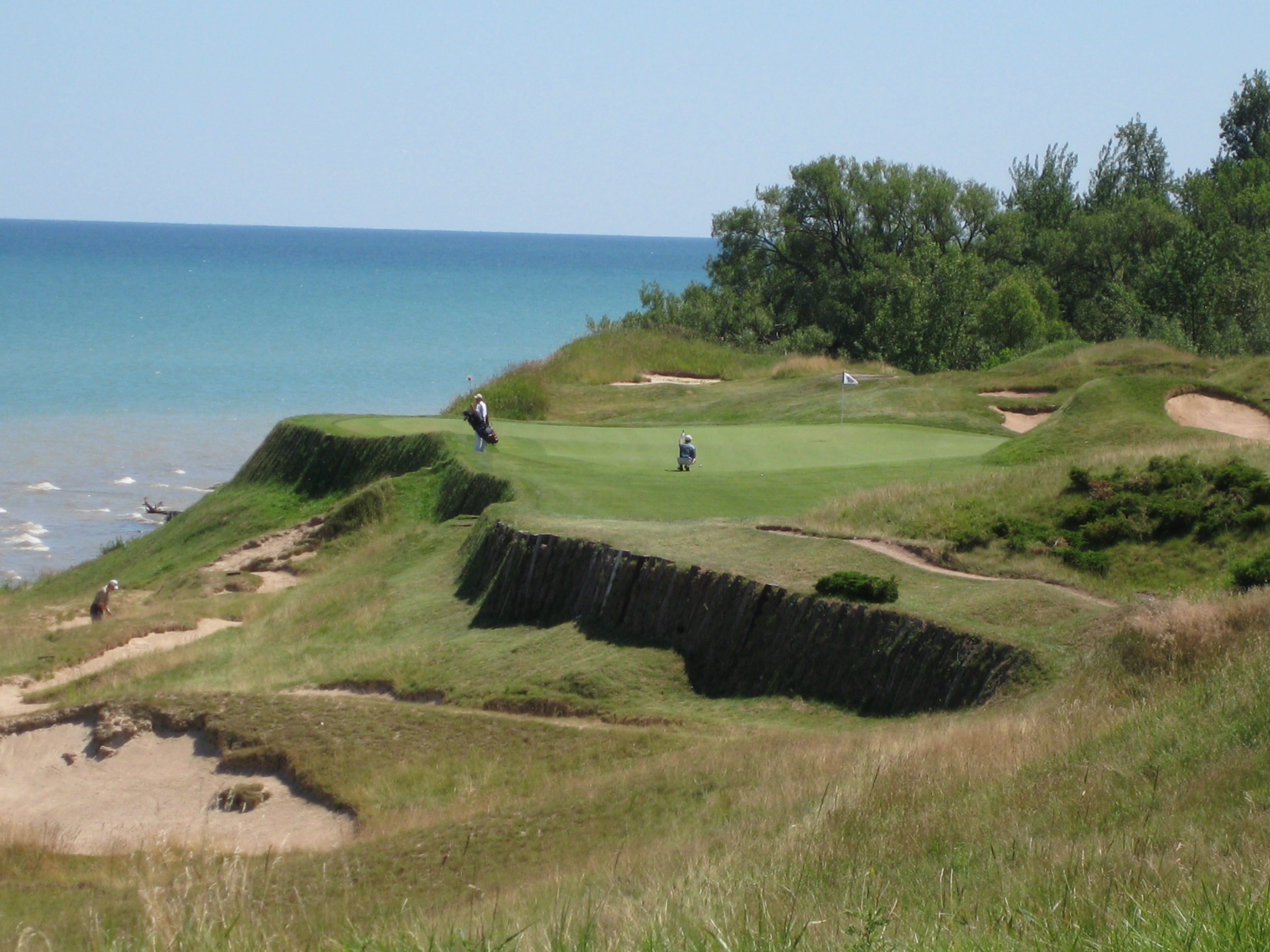
The harsh reality of Number 17 will challenge you.

The greens are massive and have lots of slope and tiering. In many cases being on the wrong section of the green is like not being on the green at all. You have to resist playing to the safe side on many of these holes otherwise you will be three putting all day long. Green speeds are affected by slope and grain, but wind is not to be forgotten because it can accentuate the curve and speed of a putt drastically.

Quite the finishing hole

The caddies here are top notch-they are truly professional caddies who understand the course and the tactics for playing it successfully. Heed what they say and ask lots of questions-you need to hit every shot with full confidence out here if you want to play to your handicap.

Don’t forget where you are-I recommend the kilbasa at the turn with some kraut-it is almost indigenous to the region.

Kohler, Wisconsin

Architect: Pete Dye (2004)

Tees     Par     Rating     Slope     Yardage

Black    72       76.7       151        7362

Blue     72       74.2        144        6909

Green  72       71.9         137       6459

Red     72       66.9         125       5396

(Click to see complete Straits Course hole-by-hole descriptions)

Is Faster Really Better?

As so many of the clubs around our area are spending boatloads of member money on redesigning their courses and using the latest agronomic technology to build the perfect greens, there is enormous pressure on the decision makers at these courses to make the greens “putt off the stimpmeter” just like they see on television.

This article, by Ian Andrew a course architect from Canada, challenges this conventional thinking as shortsighted and counter productive to the enjoyment of the playing members of these courses.  Best part is that he casts Johnny Miller as the villain for always harping on the daily stimp readings of the courses in the tournament broadcasts.

Have to say that I agree with him-we have gotten too wound up in trying to emulate “major conditions” on our courses everyday.  This excess just makes the courses unplayable for mere mortals and it serves as a disincentive to people to play often and enjoy the game more.  I am not saying that fast greens are not fun, they just don’t have to be white knuckle scary every day.  We need for rationality to prevail in the daily prep of the course-give us greens that don’t embarrass the paying patrons.

(Click here to read Ian’s article from his Caddy Shack website)

Ian Andrew

The Caddy Shack website

February, 2006

Lightning Strikes Thrice

The adopted favorite son of Illinois, Steve Stricker, finished a spine chilling roller coaster ride to this third John Deere Classic win in a row on Sunday.  After shooting 64-63 on Friday and Saturday he built himself a five-shot lead going into the back nine on Sunday.  But the sterling play of tour rookie Kyle Stanley and two bogies by Stricker on 15 and 16 left him two back and put a three-peat win at the Deere in jeopardy.

But this is Illinois and this is Steve Stricker. If there has ever been lightning in a bottle on the PGA Tour this is the guy and this is the place.  He birdied 17 and then made a Tiger-esque birdie from the fairway bunker on 18 that will become a thing of lore.

His drive on 18 into the left fairway bunker left him with a lie only a chiropractor could love-one foot in-one foot out hanging lie below his feet. 185 to a back pin full carry over the water-only about six things could go wrong on this shot.  But as this video will attest, Stricker hit it flush barely dislodging a grain of sand.  He then did what Steve Stricker does, showing nerves of steel he rolled in a 25 footer from just off the back of the green to reach 22 under and steal his third Lawn Mower Trophy in three years and $810,000 in lawn service fees to boot.

(Click here to see the video of Steve Stricker’s amazing winning shots-this will give you goosebumps!!)

This is Stricker’s 11th career win, his third year in a row with at least two PGA wins.  With his 8th win since he turned 40 he is doing his best Vijay impression but with a real putting stroke.

Stricker joins a fairly heady group of guys who have won the same event on the PGA Tour three times in a row-it includes Tiger, Arnie, Jack, The Hawk, Young Tom, and The Desert Rat. NIce company, eh?

Little doubt who will be the hometown favorite when the Ryder Cup comes to Medinah in 2012.

July, 2011

Blackwolf Run-River Course

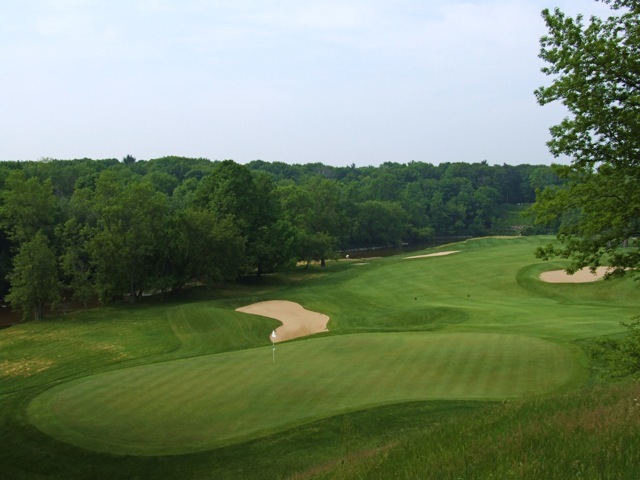
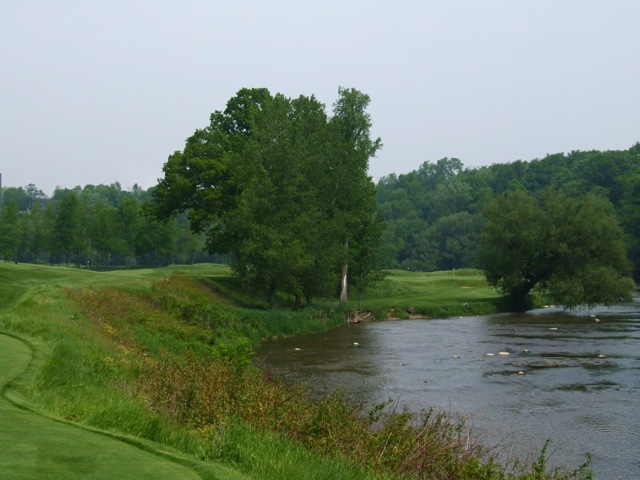
This was the first of the championship layouts created by the Kohler people in this remote area of Wisconsin that have helped define this place as a major golf destination resort.  Pete Dye put the full force of his creative juices to work in creating this parkland gem that weaves among the tributaries of the Sheboygan River.  For three years (1995-97) the World Championships Match Play was played here and in 1998 the USGA held the Women’s U.S. Open on this course which was won by Si Re Pak in a memorable playoff over an unheradled amateur Jenny Chuasiriporn in a 20 hole playoff on Monday.  The Women’s U.S. Open will return here in 2012. Truth needs to be told-the course for these championships was made up of nine holes from the River Course and nine holes from the Meadows Course that shares this property.

As with all the courses at Kohler it is extremely important for each player to play at a tee length that is comfortable to them otherwise the task at hand becomes impossible.  The Blue Tee works nicely for a 6 to 14 handicap who can carry their drive over 200 yards. Par is 35-37-72-only one par 3 on the front which makes for an odd sequence rhythm.   If the wind is blowing this course will be incrementally more difficult.

5th Hole Par 4 (www.wisconsingolf.com)

In typical Pete Dye fashion lots of psychological havoc being presented-but a very playable and definable line of play on each hole if you pay attention and can ignore his attempts to intimidate you.  You will have to be on your game to score well but a reasonable score is attainable with proper restraint from trying to do more than you are capable.  Put your ego away-there are doubles and triples that will appear on your card-but the satisfaction of good scores on particular holes should be enough gratification to make this a golfing experience to remember.  As we do on links courses-play a match-that way no matter how bad your medal score you can still have success out there in beating your opponent.

9th Hole Par 4 (www.wisconsingolf.com)

The greens are very undulating and quick-you have to carefully consider where on the green to hit your approach or you will be three-putting you score away.  Driving areas are often confined by hazard on one side or by harrowing topography so it will take some articulate driving-with a bit of bravado to get the best angle of approach to some very challenging green settings.  The bunkers are deep-deep so you have to have real trust in your 60 degree and play for the putting surface not the flag out of the greenside bunkers.

There are major distances between greens and tees but they do provide shuttle service in season.  I think this is a course to walk if for no other reason to take in the full flavor of the asthetics of the course and have proper time to plot the strategy of your next shot.

Kohler, Wisconsin

Architect: Pete Dye (1993)

Tees                Par         Rating          Slope        Yardage

Black               72            74.4            148            7011

Blue                 72            72.6            139            6607

White               72            70.2            129            6110

Red                  72            70.1            124            5115

(Click to see complete River Course hole-by-hole descriptions)